If you’ve ever gotten a drywall quote and noticed a line item for ‘Level 5 finish’ without a clear explanation of what that means or why it costs more, you’re not alone. Most homeowners have no idea that drywall finishing is a graded process, let alone that there are five distinct levels with specific definitions.
Here’s what the levels mean, when each one applies, and when it’s actually worth paying for Level 5.
The five finish levels, in plain English
Level 0
No finishing at all. Drywall is hung and that’s it. Only used in temporary construction or areas where the wall will be torn down or covered later.
Level 1
Tape is embedded in the joints, but no finishing compound is applied over it. Used in attics, above finished ceilings, and areas that will never be seen. This is not a paintable surface.
Level 2
Tape embedded, one coat of compound over the tape and fasteners. Rough texture is acceptable. Used behind tile, in garages, and in utility spaces where a wall covering will go over it anyway.
Level 3
Tape embedded, two coats of compound, sanded smooth. Used where a medium to heavy texture will be applied, like orange peel or knockdown. It’s also an acceptable base for heavy-nap roller texture. This is a very common finish level for standard residential work.
Level 4
Tape embedded, three coats of compound, sanded. Ready for flat or low-sheen paint in normal lighting conditions. This is the standard for most finished living spaces in residential construction. Most rooms you’ve lived in are probably a Level 4.
Level 5
Everything in Level 4, plus a skim coat of compound applied over the entire surface. Sanded perfectly smooth. Ready for the most demanding paint finishes and the harshest lighting conditions.
Why lighting is the whole conversation
If your project involves a painted accent wall under dramatic lighting, a formal dining room ceiling, or a bathroom with strong overhead lighting and a semi-gloss finish, Level 5 is worth the additional cost. For a standard bedroom painted in an eggshell finish with overhead flush lighting, Level 4 will serve you well.
What Level 5 actually involves
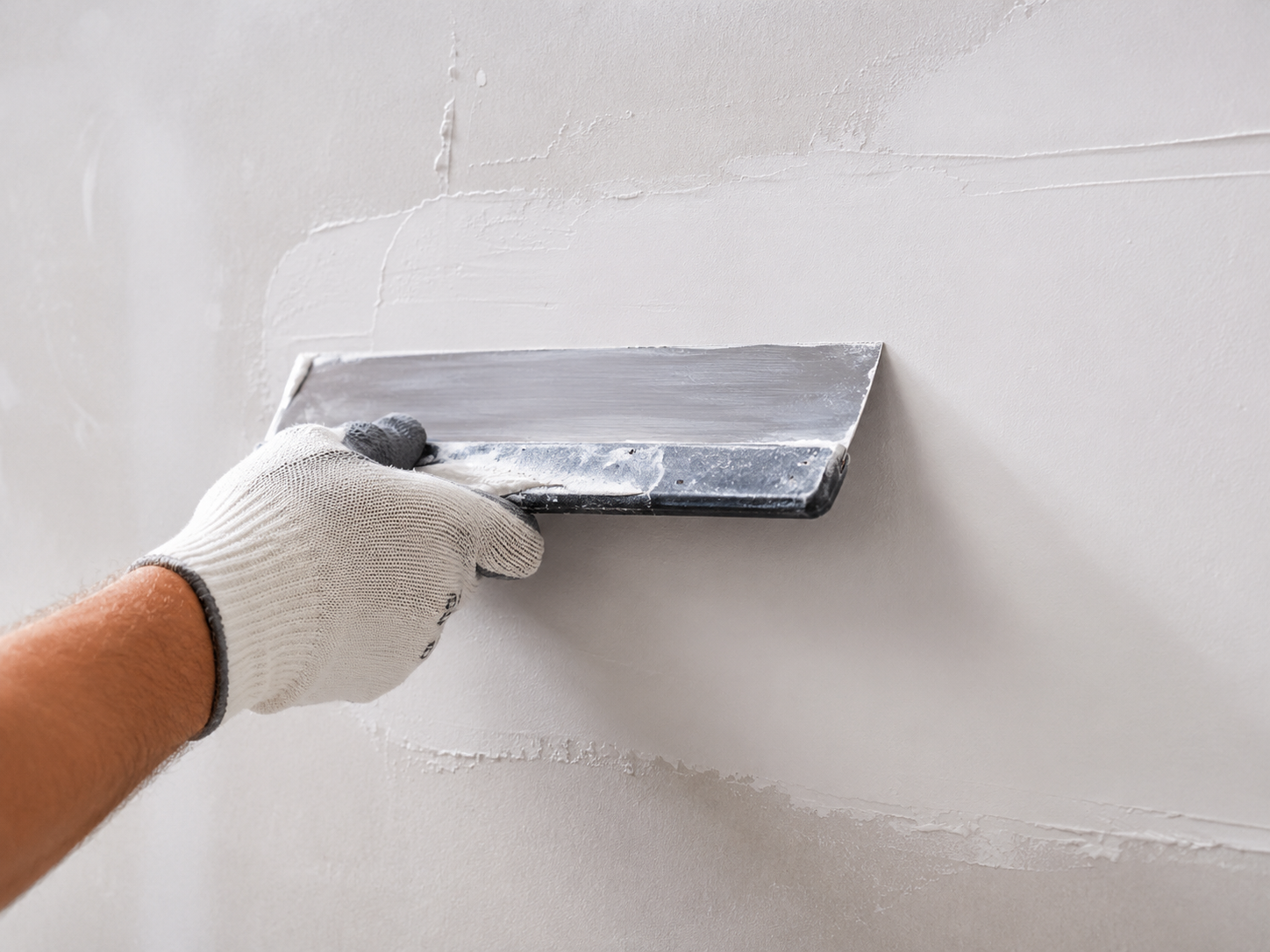
The skim coat is a thin layer of joint compound spread across the entire drywall surface with a wide knife, then sanded flat when dry. It takes skill and time. The compound has to go on evenly, dry without cracking or bubbling, and sand without leaving low spots or tool drag marks.
Done correctly, a Level 5 wall looks like it was poured. Done incorrectly, it can actually look worse than a good Level 4 because the skim layer shows every imperfection in the application.
This is not a DIY-friendly finish for most homeowners. The skill gap between a decent Level 4 and a quality Level 5 is significant.
The practical takeaway
Ask your contractor which level is included in the quote and what the finish will be used for. A good contractor should be able to tell you the finish level and explain why it’s appropriate for your specific project.
If you’re planning dramatic lighting, a high-gloss finish, or a high-visibility wall with dark paint, ask specifically about Level 5. If your project is a standard bedroom or utility space, Level 4 is the right call and Level 5 would be an unnecessary cost.
Summit Remodeling handles drywall work as part of full kitchen, bathroom, and whole-room remodels across Summit County, Ohio. If you’ve got walls that need attention, we’ll tell you exactly what level makes sense for your space.
continue reading